Is 2026 the Year to Go Solar in NSW? Why Thousands of Aussies Are Switching

Is 2026 the Year to Go Solar in NSW?

If rising electricity prices in 2026 have you looking for solutions, you’re not alone. Across NSW, households are turning to solar and battery systems to cut bills, protect against blackouts, and future-proof their homes. With the federal Cheaper Home Batteries Program delivering thousands off eligible home batteries, plus ongoing STC solar rebates, 2026 is a standout year to invest.

Why prices make solar smarter in 2026

The Australian Energy Regulator’s Default Market Offer 2025–26 lifted benchmark prices in NSW, so every kWh you avoid buying from the grid matters. A hybrid inverter and LFP home battery shift your solar to evenings and peaks where tariffs bite. New to batteries? Start with our explainer: The Future of Home Battery Storage

2026 rebates: solar STCs + federal battery discount (+ NSW VPP)

Backup power during outages (summer storms)
With the right design (islanding + essential circuits), a solar battery system keeps lights, Wi‑Fi and fridge running during a blackout something standard solar can’t do alone. See our Solar Battery Systems page

AC vs DC-coupled batteries (which is best for you?)

  • AC-coupled (add-on): great for adding a battery to existing solar
  • DC-coupled (hybrid): ideal for new solar + battery packages ; often higher round‑trip efficiency.

Smart-home ready (EVs, heat pumps & dynamic tariffs)
Pair solar with high‑efficiency air conditioning and heat‑pump hot water for bigger savings. Ask about VPP‑ready settings during your design consult.

What size is right in 2026?

  • 15–20 kWh battery: bill savings + backup for essentials overnight
  • 20–25 kWh: families with higher evening use / EV top‑ups
  • 30 kWh+: whole‑home ambitions or larger properties

FAQs
Is there a battery rebate in 2026? Yes—the federal program is live. See our Federal Battery Rebate page ().

Do solar STCs still apply in 2026? Yes—ask us during your quote and we’ll show the STC line‑item.

What’s the payback like? We model it for your tariff and usage; browse our Project Gallery for local installs and outcomes.

More questions? Check our FAQ or contact our team.

Ready to plan your 2026 system?
We design and install solar + batteries for Lake Macquarie, Newcastle, the Hunter and the Central Coast—with clean installs, aftercare and options like finance

Call (02) 4970 5078 or contact us for a free 2026 solar & battery quote.
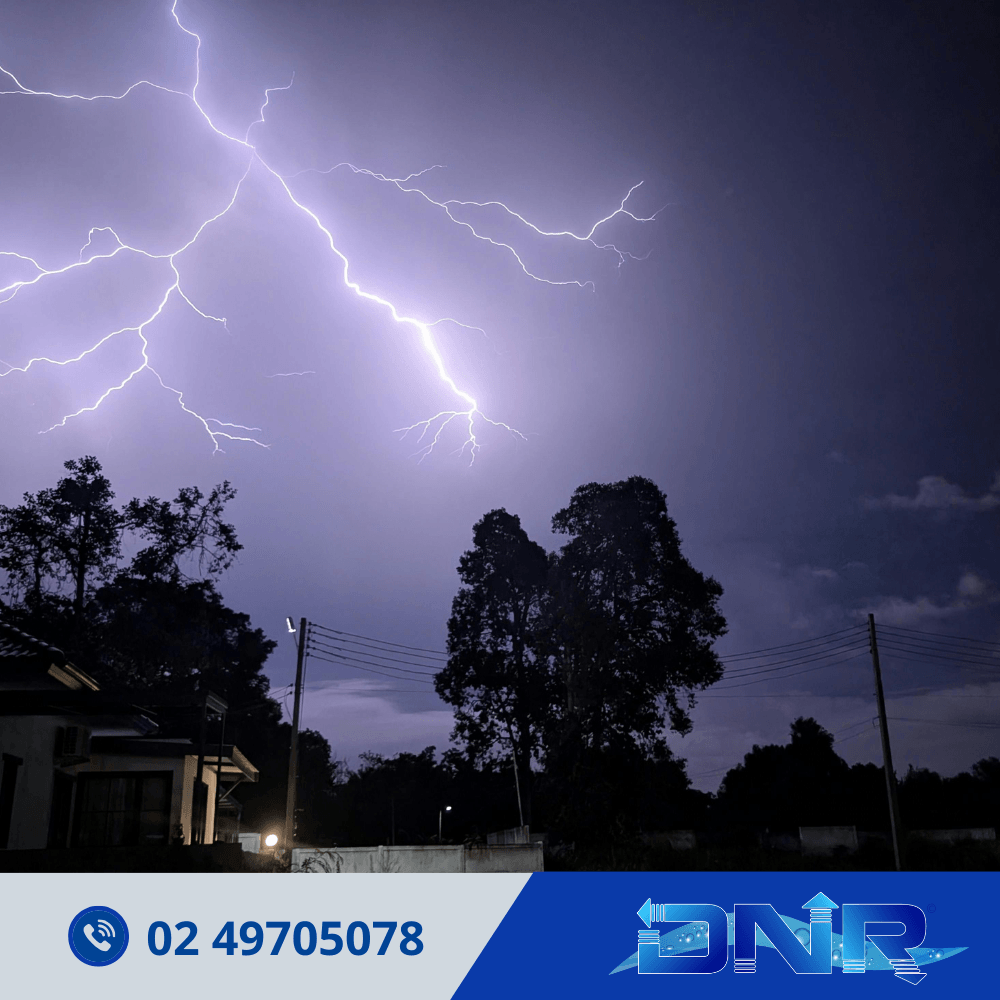
Summer Storm Season is approaching

Summer Storms & Blackouts: How Solar + a Battery Keep Your Home Connected

Storm season is here – don’t be left in the dark
If you live around Lake Macquarie, Newcastle, or the Central Coast, you know the drill: hot, humid afternoons… then the sky cracks open. A branch on the lines and boom, the power’s out right when you need the air con, Wi-Fi, or dinner in the oven.
Here’s the good news: a solar system paired with a home battery can keep your essential circuits humming through a blackout- lights on, fridge cold, devices charging, and even the NBN up, while your neighbours wait for the grid to come back.

What actually happens in a blackout?
When the grid drops, standard solar systems shut down automatically (a safety requirement). That means no solar power even if the sun’s out.
But with the right battery system and backup hardware (islanding), your home forms a safe, self-contained “mini-grid.” Your battery and hybrid inverter take over instantly, powering the circuits you’ve chosen as essential loads.

Solar + battery during storms: what keeps running?
Most households prioritise:
• LED lights in key rooms
• Wi-Fi/router & device charging (work, school, news updates)
• Fridge/freezer (protect your groceries)
• Garage door & selected power points
• Ceiling fans or a small split system (where battery sizing allows)
We help you pick which circuits are “essential” so you get the most practical backup without oversizing your system.

How it works (without the jargon)
1. On sunny days: Solar runs the home first, then charges the battery, then sends any excess to the grid.
2. At night or during peak tariffs: The battery discharges to cover your usage, cutting your bills.
3. In a blackout: Your inverter isolates from the grid and powers your essential circuits from the battery + any live solar. No dangerous back-feeding, fully compliant.

What size battery do I need for backup?

A simple rule of thumb for blackout resilience:
Household goal Typical battery size Notes
Keep the lights, Wi-Fi, fridge going overnight 10–13 kWh Most popular; good value + practical backup
Add more power points / small A/C for a few hours 13–20 kWh Great for families; longer runtime
Whole-home backup (selected homes) 20–30+ kWh Needs careful design and load management

Safety & reliability (what to look for)
• Battery chemistry: We recommend LFP (Lithium Iron Phosphate) for strong thermal stability.
• Backup speed: Look for instant switchover or sub-second transfer so lights and Wi-Fi don’t drop.
• Surge capacity: Fridges and pumps have startup surges; make sure the inverter can handle them.
• Smart monitoring: Real-time apps show state of charge, solar production, and usage so you always know what’s left during a storm.
• Professional design: Backup requires careful wiring of essential circuits and compliant protection gear.
________________________________________
What about bill savings the rest of the year?
Storm backup is the headline but batteries also help you:
• Soak up cheap solar in the day and use it at night, cutting peak usage.
• Reduce export dependency as feed-in tariffs shrink.
• Join a VPP (Virtual Power Plant) to earn extra credits by sharing small amounts of stored energy when the grid needs it (optional, you stay in control of settings).

Rebates & incentives in NSW
There are ongoing incentives and VPP options that can improve the payback of a battery system. Eligibility and values change, so we’ll check the latest and match you to the best pathway when we design your system. (Bonus: we handle the paperwork.)


Ready to storm-proof your home?

We’re your local solar & battery team serving Lake Macquarie, Newcastle, the Hunter and the Central Coast. We design for blackout resilience first, then optimise for bill savings and incentives.

Call us on (02) 4970 5078 or visit dnraircon.com to book a free assessment.
We’ll audit your switchboard, size the right battery, set your essential circuits, and have you ready before the next storm hits.